
Views: 222 Author: Rebecca Publish Time: 2026-03-18 Origin: Site


Content Menu
● Why Real Customer Experience Matters More Than Specs
● How This Ranking and Review Methodology Works
● Buyer‑Centric Evaluation Criteria
>> Long‑Term Durability in Daily Use
>> Data Transfer Stability and Charging Performance
>> Batch‑to‑Batch Consistency for Repeat Orders
>> Delivery Reliability and Lead Time to Africa
>> After‑Sales Service and Problem Resolution
>> Price Versus Total Delivered Value
>> Communication and Technical Support Quality
>> OEM/ODM Project Management Maturity
● 2026 Top Mini USB Cable Manufacturers and Suppliers for African Buyers
>> 1. Shenzhen Otechkabel Electronic Co., Ltd. – Strong Overall OEM Partner for Africa‑Focused Brands
>> 2. Regional African Distributors with Local Warehouses – Best for Fast Replenishment
>> 3. Specialized Robotics and Maker Suppliers – Niche Technical Stability
● Practical Checklist: How to Choose the Right Mini USB Cable Supplier
● Strategic Call to Action for African Importers and Brand Owners
● Frequently Asked Questions (FAQ)
>> 1. Why are some mini USB cables much cheaper than others in African markets?
>> 2. How can I verify a supplier's OEM capability for my brand?
>> 3. What certifications should I look for when sourcing mini USB cables?
>> 4. Is it better to buy from a local African distributor or directly from a Chinese OEM factory?
>> 5. How can I reduce the risk of quality issues with a new supplier?
Finding reliable mini USB cable manufacturers and suppliers in Africa is no longer just about price and basic specifications. For global OEM partners and African distributors, long‑term performance, logistics reliability, and real customer experience now matter more than ever. This guide brings together first‑hand buyer feedback, industry best practices, and OEM experience from Asian manufacturers such as Shenzhen Otechkabel Electronic Co., Ltd., helping you choose suppliers that can truly support your business growth.

Many mini USB cables look identical on paper: same connector, similar AWG, advertised data rate, and “high‑speed” labels. Yet in real usage, some cables fail after a few months, cause intermittent connection loss, or lead to costly returns. Real‑world experience from African retailers, POS system integrators, and industrial users shows that user‑reported durability and stability are better predictors of success than datasheets alone.
For B2B buyers, this means that specifications should be treated as the starting point, not the final decision factor. Practical indicators such as long‑term failure rates, return ratios, and feedback from repeat customers give a much clearer picture of how a supplier will perform once products are in the field.
To build a 2026 mini USB cable suppliers ranking for African markets, multiple evidence‑based inputs were combined, rather than relying on one single source.
- Long‑term buyer feedback from African distributors, B2B resellers, and project integrators in markets such as South Africa, Kenya, Nigeria, and Egypt.
- Online reputation signals from B2B platforms and brand websites, such as product scope, specialization in USB/HDMI/VGA/SATA cables, and transparency of company background.
- OEM capability assessment, focusing on manufacturers in Asia (especially China) that provide stable OEM/ODM services for overseas brands.
- Compliance, capacity, and logistics capabilities, especially the ability to serve Africa with predictable lead times and flexible shipping options.
Scores are qualitative but structured around criteria that matter most to importers and local distributors, not just to end‑users buying single retail cables. The emphasis is on practical performance, supply reliability, and partnership quality.
Durability is consistently cited as the number‑one concern by African retailers and integrators because cable failures quickly erode profitability. Buyers often focus on:
- Failure or return rate over 6–12 months
- Connector firmness after repeated plug/unplug cycles
- Jacket cracking, fraying, or deformation under common stress
A supplier with a slightly higher unit price but a significantly lower return rate often delivers a lower total cost of ownership over time. For distributors, this directly translates into fewer customer complaints, less time handling returns, and a stronger reputation.
For POS systems, barcode scanners, routers, and embedded devices, stable data transmission is non‑negotiable. Typical complaints include intermittent connection drops, inconsistent charging speeds, and incompatibility with certain terminals.
Experienced OEM manufacturers usually invest in:
- Controlled impedance and shielded cable structures
- Consistent soldering processes on connectors
- Batch testing on real devices such as POS terminals, set‑top boxes, and industrial controllers
These practices reduce “mystery failures” that are hard to diagnose in the field and help integrators ensure that end‑users enjoy smooth, uninterrupted operation.
Many African distributors place trial orders first, then scale up if the product performs well. Feedback shows that some suppliers deliver excellent first batches but then reduce copper content, shielding, or jacket quality later.
Serious OEM suppliers maintain:
- Documented BOM (Bill of Materials) control
- Incoming material inspections and random sampling
- Lot traceability linking batches to production dates and test results
This consistency is crucial for brand owners who rely on stable quality to protect their reputation and avoid sudden changes in performance when they reorder the same product.
Geography and logistics are critical for the African market. Importers need suppliers who can ship on time, manage customs documentation, and sometimes even support local warehousing partners.
Key factors include:
- Typical lead times for standard mini USB cables and mixed cable orders
- Ability to handle urgent replenishment with shorter production cycles
- Availability of different shipping options (sea, air, express) optimized for African ports and hubs
Suppliers who proactively communicate about delays, share realistic timelines, and provide accurate documentation tend to build stronger relationships with African clients.
No supplier can guarantee a zero defect rate, but how issues are handled makes a major difference in long‑term cooperation.
Buyers value suppliers that:
- Respond quickly via email, chat, or messaging
- Offer clear, written warranty and RMA policies
- Analyze returned samples, identify root causes, and adjust processes
A structured after‑sales system gives distributors confidence that if a problem arises, it will be solved fairly and efficiently rather than becoming a prolonged dispute.
In many African markets, price pressure is intense. However, the most successful distributors focus on total value, not just cost per unit.
Total value includes:
- Defect and return rate
- Downtime for integrators or retailers
- Brand reputation and end‑user satisfaction
- Long‑term availability of the same model
Suppliers that combine fair pricing with consistently low failure rates often win more repeat business than those selling the cheapest cables. Over time, saving on returns and protecting customer trust can be worth far more than a small discount on the invoice.
For many African buyers, especially those without large in‑house engineering teams, clear communication is almost as important as technical capabilities. Suppliers that explain specifications, compatibility, and customization options in simple, practical terms make buyers' lives easier.
Key elements of good support include:
- Fast and precise responses to inquiries
- Clear technical documents and datasheets
- Guidance on choosing the right cable type, length, and shielding for specific applications
This helps avoid misunderstandings, reduces the risk of mismatched products, and shortens the time needed to launch new projects.
For brand owners and large wholesalers, the ability to manage full OEM or ODM projects is critical. This goes beyond making basic cables and involves:
- Handling drawings, prototypes, and design iterations
- Coordinating logo printing, labeling, and packaging design
- Keeping records of versions and ensuring stable production across multiple batches
Suppliers with structured project management practices reduce the risk of errors, delays, and miscommunication. They are also better equipped to support future product updates or line extensions.
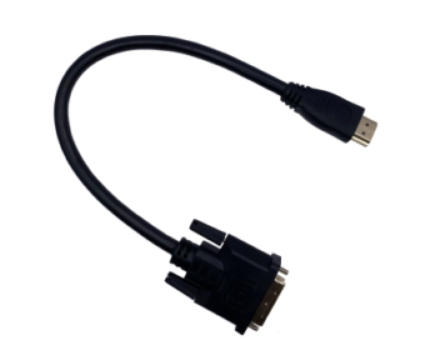
The following profiles are illustrative and highlight the characteristics to look for when building your own supplier shortlist.
Shenzhen Otechkabel Electronic Co., Ltd. is a specialized Chinese manufacturer with over ten years of experience producing USB, VGA, HDMI, DVI, SATA cables and cable accessories for overseas markets. The company operates a dedicated workshop and multiple production lines, focusing on OEM services for international brands, wholesalers, and manufacturers.
For African buyers, Otechkabel's strengths include:
- Broad product coverage (USB 2.0/3.0, mini USB, audio, SATA, and other interface cables) suitable for mixed orders.
- An export sales team dedicated to overseas clients, offering professional solutions and stable quality.
- Experience in supporting OEM needs such as custom lengths, branding on connectors or jackets, and tailored retail packaging.
Distributors that work with suppliers managing both consumer and industrial cable lines often report more stable quality, because process control and testing standards tend to be stricter. Otechkabel fits this profile, making it a strong candidate for importers seeking a long‑term OEM partner rather than a one‑time shipment.
In countries such as South Africa, local distributors related to well‑known IT brands and specialized electronics suppliers provide mini USB cables with shorter lead times and local support. They usually source from multiple OEMs (often in China) and maintain stock in urban hubs like Johannesburg and Cape Town.
Key advantages:
- Shorter delivery times to retailers and system integrators
- Easier returns and local troubleshooting
- Potential access to bundled products (devices plus cables)
However, these distributors may have less direct control over the original manufacturing process compared to direct OEM relationships. Buyers should therefore ask about the source factories, quality standards, and whether the distributor can maintain consistent supply over time.
Stores focused on robotics and maker hardware in Africa often stock mini USB cables designed for embedded boards and development kits. These cables generally place more emphasis on signal integrity and compatibility with microcontrollers and sensors.
Typical strengths:
- Better performance in noise‑sensitive or industrial environments
- Clear documentation of length, shielding, and compatible devices
- Close feedback loops with technical users and communities
Such suppliers are valuable for integrators building custom electronics or Internet‑of‑Things deployments that rely heavily on stable USB connections. They may not be the cheapest option, but for complex projects, their reliability and documentation can significantly reduce integration risks.
To make the sourcing process more actionable, use the following step‑by‑step checklist when evaluating suppliers for African markets:
1. Clarify your application scenarios
Decide whether you are focusing on retail accessories, POS systems, industrial devices, or a mix of these segments.
2. Ask for data on failure and return rates
Request statistics covering at least the last 12 months for similar customers or regions. Pay special attention to return reasons.
3. Verify OEM/ODM capabilities
Confirm whether the supplier can provide custom logos, special lengths, color‑coded jackets, reinforced strain relief, and tailored packaging.
4. Review certification and compliance
Look for documented quality systems and any relevant safety or environmental certifications that apply to your distribution countries.
5. Check logistics options and lead times
Ask for typical production times, shipping routes, and performance during peak seasons. Clarify how they handle urgent or split shipments.
6. Evaluate communication style and responsiveness
Take note of how quickly and clearly your initial questions are answered. This is often a good indicator of future collaboration quality.
7. Start with a controlled pilot order
Test cables in your real working environments, track failure rates, and gather feedback from your own customers before committing to larger volumes.
| Supplier type | Core strength | Best for African buyers |
|---|---|---|
| Shenzhen Otechkabel (China OEM) | Stable OEM quality, broad interface range, customization support | Brand owners, wholesalers seeking long‑term partner |
| Local African distributors | Fast delivery, easy returns, local support | Retailers, small integrators needing quick stock |
| Robotics/maker suppliers | Technical stability, niche compatibility | Embedded, IoT, and industrial solution providers |
This structure helps buyers quickly compare options and decide which combination of suppliers best fits their business strategy.
If you are an African brand owner, distributor, or device manufacturer, now is the time to upgrade your mini USB cable sourcing strategy. Instead of choosing suppliers based solely on unit price, focus on long‑term performance, OEM capabilities, and proven experience in international export.
Chinese OEM manufacturers like Shenzhen Otechkabel Electronic Co., Ltd. can work with you to design custom cables, harmonize specifications across product lines, and ensure dependable quality for African markets. By combining a robust OEM backbone with reliable local partners, you can reduce returns, protect your brand reputation, and unlock sustainable growth in your cable and accessories business.
If you are ready to explore higher‑performing mini USB cables for Africa, consider reaching out to an experienced OEM partner to review your current product range and identify specific opportunities for improvement in quality, cost structure, and logistics.
Contact us to get more information!
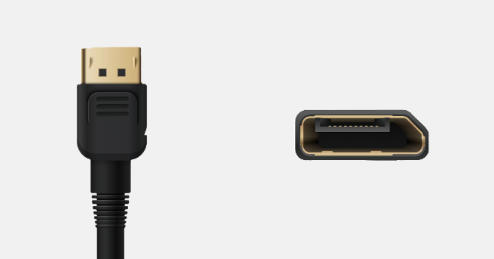
Price differences often reflect variations in copper content, shielding quality, and connector materials. Lower‑cost cables may use thinner conductors, weaker strain relief, or less robust plating, which can lead to higher failure rates and costly returns over time.
Ask for references from existing OEM clients, review sample products with your logo and custom specifications, and check whether the supplier can provide stable quality over multiple batches of the same design. Clear documentation and organized project handling are strong positive signals.
Not all markets require the same certifications, but it is useful to look for recognized quality systems and region‑appropriate compliance, such as CE or similar standards. These show that the manufacturer follows structured processes and understands international requirements.
It depends on your business model. Local distributors offer faster delivery and simpler returns, while direct OEM relationships can provide deeper customization, more stable long‑term pricing, and better control over quality. Many successful companies combine both approaches to balance flexibility and control.
Start with a pilot order, test cables in real working environments, monitor failure and return rates, and keep detailed records of any issues. Use this data to discuss improvements with the supplier or to decide whether to expand or limit the partnership.
1. Shenzhen Otechkabel Electronic Co., Ltd. – Official Website. “USB Cable 2.0, USB Cable 3.0, HDMI Cable Suppliers …” https://www.cnotechkabel.com
2. OTECHKABEL – About Us. “Professional manufacture in Shenzhen with 10 years experience in USB, VGA, HDMI, DVI, SATA cables and Cable accessories production.” https://www.otechkabel.net/aboutus.html
3. Alibaba – Shenzhen Otechkabel Electronic Co., Ltd. Company Overview. https://otechkabel.en.alibaba.com
4. Definition Agency – “How do B2B companies get EEAT right?” https://comms.thisisdefinition.com/insights/how-do-b2b-companies-get-eat-right
5. Varn – “How to write and review E-E-A-T SEO content.” https://varn.co.uk/insights/how-to-write-eeat-content/
6. The Orange Lab – “EEAT in B2B SEO | Build Authority and Trust.” https://theorangelab.co/en/eeat-b2b-seo/
7. Robotics‑focused electronics store – Mini USB Cables category page. https://www.robotics.org.za/cables/usb-cables/mini-usb-cables
8. South African cable sales site (Mecer‑related). “Mecer Cables & connectors. Sales South Africa: Computer hardware sales.” https://www.mecerlaptops.co.za/Mecer-Cables-connectors-b-14-c-166.php
9. Communica – “Wire & Cable: USB Cables.” https://www.communica.co.za/collections/wire-cable/usb-cables


