


Views: 222 Author: Rebecca Publish Time: 2026-03-26 Origin: Site


Content Menu
● Why Real-World Customer Experience Matters in Africa's USB Extension Cable Market
● Methodology: How to Build an Experience-Based Ranking of USB Cable Suppliers
● Key Experience-Based Criteria for Evaluating USB Extension Cable Suppliers
>> Long-Term Stability and Signal Performance
>> Durability Under African Environmental Conditions
>> Safety, Heat Management, and Build Quality
>> Service, Warranty, and Problem Resolution
>> Price, Availability, and True Value for Money
● Real Customer Stories: From Office Desktops to Industrial Floors
>> Industrial and Infrastructure Projects
● How OEM Manufacturers Strengthen the African Cable Supply Chain
● Practical Buying Checklist for B2B Buyers in Africa
● Frequently Asked Questions (FAQ)
>> Q1: What is the most critical factor when choosing USB extension cables for African markets?
>> Q2: Do I always need active USB extension cables for long distances?
>> Q4: How can industrial customers reduce the risk of cable failures on the production floor?
>> Q5: What documentation should a serious USB cable supplier be ready to provide?
Choosing the right USB extension cable supplier in Africa is no longer just about price or datasheet specifications; it is about real‑world reliability, long‑term stability, and trustworthy partners who can support your business growth. From office IT rollouts to industrial automation and security systems, the quality of your cables often decides whether projects run smoothly or repeatedly fail at critical moments.
This guide combines customer experience insights with a practical power ranking framework for USB extension cable manufacturers and suppliers serving the African market. It is written for IT buyers, distributors, system integrators, and project owners who need to make accountable sourcing decisions, and it also shows how professional OEM partners such as Shenzhen Otechkabel Electronic Co., Ltd can support these needs.

On paper, many USB extension cables look similar. They may share the same length, connector type, and printed speed ratings. In practice, African buyers often face unique challenges: unstable power grids, high ambient temperatures, dust, humidity, and complex logistics.
In这些 conditions, small differences in cable design, materials, and quality control translate into significant gaps in real‑world performance, such as:
- Unexpected disconnections in POS systems or CCTV networks
- Reduced data transfer speeds over longer cable runs
- Premature cable failure in hot or dusty environments
- Difficult or slow warranty support when problems occur
For end users and project owners, these issues lead to downtime, higher maintenance costs, and customer dissatisfaction. That is why this article emphasizes actual usage experience instead of marketing claims. We focus on how cables behave in offices, retail outlets, factories, data centers, and outdoor sites, and how suppliers respond when problems arise.
To meaningfully evaluate the top USB extension cable manufacturers and suppliers in Africa, you can use a ranking approach based on four core pillars:
1. Field performance and signal stability
2. Durability and safety under local conditions
3. Service quality, responsiveness, and local support
4. Price, availability, and overall value for money
In practice, such evaluations are usually informed by:
- Feedback from local distributors and resellers
- Project reviews from system integrators and installers
- Ratings and comments on major e‑commerce platforms
- Warranty records and return data collected over time
For internal use, buyers can convert these inputs into a simple scoring model that assigns numeric values to each pillar, then aggregates them into an overall supplier score. This structured approach makes the ranking process transparent and defensible.
The first dimension is signal integrity and connection stability over time, especially for longer USB extension runs such as 3m, 5m, or 10m.
Key questions for buyers:
- Does the cable maintain stable connectivity during continuous use?
- At what length does signal degradation start to impact performance?
- For USB 3.x applications, does the cable reliably deliver high‑speed data transfer?
Positive experiences often include:
- Stable video and audio performance in conferencing systems
- Reliable data transfer for external hard drives and USB flash drives
- No random disconnects in POS terminals, barcode scanners, and receipt printers
Negative experiences typically involve:
- Frequent “device disconnected” or “USB device not recognized” messages
- Noticeably slower file transfer compared with direct connections
- Devices that only work intermittently at extended distances
For large‑scale deployments, these seemingly small issues can lead to significant support workloads and hidden costs.
Many African markets are characterized by high temperatures, dust, humidity, and occasional power surges. In such environments, durability goes far beyond cosmetic quality.
Important factors include:
- Conductor quality and cross‑section (for example, high‑purity copper vs. cheaper alternatives)
- Shielding design, which affects both electromagnetic interference resistance and physical robustness
- Outer jacket material (PVC, TPE, or braided) and its resistance to bending, abrasion, and aging
Customers describe durable cables as:
- Remaining flexible without cracking over time
- Withstanding frequent plugging and unplugging in busy environments
- Surviving in workshops, warehouses, and semi‑outdoor kiosks
Where durability is poor, users commonly report:
- Broken connectors or loose interfaces
- Exposed conductors after limited use
- Cable jackets becoming brittle, sticky, or discolored
For B2B buyers, these issues directly impact maintenance budgets and service‑level agreements.
Safety is critical in office wiring, data centers, and industrial control rooms. Well‑designed USB extension cables help reduce the risk of overheating, arcing, or short circuits.
Key aspects to evaluate:
- Connector design that avoids loose or unstable contacts
- Adequate insulation and shielding to manage electrical stress
- Low heating levels under continuous use with higher current loads
Common safety risks found in very low‑cost, unbranded cables include:
- Thin conductors and poor‑quality plastics
- Inconsistent crimping or soldering inside connectors
- Lack of meaningful quality inspection before shipment
Professional buyers should select suppliers who can provide clear technical documentation and relevant test data to demonstrate safety and build quality.
Even the best suppliers occasionally encounter defects. A key differentiator is how they respond when problems occur.
Strong service experiences typically involve:
- Clear contact points and predictable response times
- Transparent warranty terms and practical RMA procedures
- Local stock or regional hubs that enable quick replacements
Poor experiences include:
- Slow or inconsistent communication
- Complex or unclear warranty conditions
- No local representation, forcing buyers to deal only with distant contacts
For African distributors and project integrators, service quality can be as important as the product itself, because it influences reputation and customer retention.
Price remains a critical factor, but value for money is more relevant for B2B decision‑making. A slightly higher unit price may be justified if it delivers:
- Longer average service life
- Lower failure rates and fewer site visits
- Better local support and faster replacements
A practical assessment method is to evaluate the total cost of ownership (TCO) over the lifetime of a project rather than comparing unit prices alone. This includes procurement, logistics, installation, maintenance, and replacement costs.
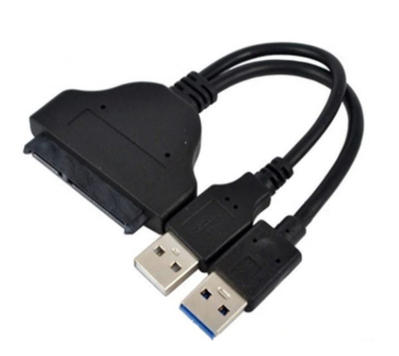
In offices and small businesses, the priority is plug‑and‑play reliability. Typical use cases include:
- Extending connections for keyboards, mice, and webcams
- Connecting printers or scanners located away from workstations
- Supporting USB hubs in shared desk or hot‑desk environments
Positive feedback often describes:
- Minimal setup issues and stable operation across different PCs and laptops
- Smooth performance during video calls, online training, and digital presentations
- Reduced IT tickets related to cable‑related faults
When low‑quality cables are used, common problems include:
- Random disconnection of peripherals during critical tasks
- Difficulty diagnosing intermittent failures that trace back to the cable
- Frequent replacements, increasing both cost and frustration
In industrial environments, the stakes are higher. USB extension cables may connect:
- Industrial PCs to sensors and control interfaces
- Monitoring systems across production lines
- Access control or surveillance devices in large facilities
Here, engineering teams expect:
- Cables capable of 24/7 continuous operation
- Robust connectors that resist vibration and mechanical stress
- Stable performance in the presence of electrical noise and power fluctuations
For these clients, working with an OEM manufacturer like Shenzhen Otechkabel—who can adjust cable design, shielding, and jacketing to industrial requirements—offers a clear advantage. It allows brands and equipment manufacturers to deliver more reliable turnkey systems to their African customers.
A dimension often overlooked in generic content is the strategic role of professional OEM manufacturers in the regional supply chain. Instead of relying only on existing branded products, African distributors and regional brands can work with OEM partners to develop their own cable portfolios.
Benefits of collaborating with a specialized OEM such as Shenzhen Otechkabel Electronic Co., Ltd include:
- Custom design and engineering tailored to local requirements (lengths, connectors, jacket materials, environmental resilience)
- Brand control through private‑label cables and packaging aligned with local market positioning
- Flexible cost‑performance configurations for different segments, from entry‑level to professional and industrial lines
- Consistency and scalability as demand grows across multiple African markets
This model is particularly valuable for:
- Regional IT distributors building house brands
- System integrators who bundle cables with hardware and services
- Equipment manufacturers requiring branded cables that match their devices
By integrating OEM partners into sourcing strategies, buyers can move beyond catalog purchasing and create differentiated, higher‑margin offerings that better match local expectations.
To make supplier evaluations more systematic, B2B buyers can follow the checklist below:
1. Define usage scenarios
- Clarify whether the main use is office IT, retail POS, surveillance, industrial automation, or mixed deployments.
- Determine required lengths, USB versions (2.0, 3.x), and any special performance needs.
2. Shortlist technically capable suppliers
- Request spec sheets, test reports, and relevant certifications.
- Ask for project references or case examples in similar applications or regions.
3. Evaluate service and support
- Confirm response times, support channels, and escalation routes.
- Review warranty terms, RMA processes, and availability of local stock.
4. Compare total cost of ownership
- Estimate expected service life and failure rates based on references and testing.
- Include logistics, customs, installation, and potential replacement costs.
5. Assess OEM and customization options
- For brands, distributors, or manufacturers, discuss OEM cooperation possibilities.
- Align on minimum order quantities, customization scope, and quality benchmarks.
Following this process allows buyers to make sourcing decisions that balance technical performance, business risk, and long‑term profitability.
If you are a brand owner, distributor, or equipment manufacturer serving African markets and you need reliable, customizable USB extension cable solutions, consider partnering with Shenzhen Otechkabel Electronic Co., Ltd.
You can:
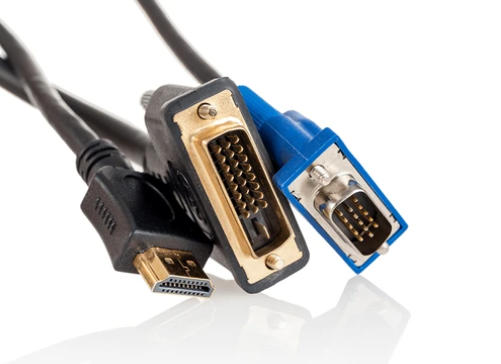
- Request custom OEM designs for USB, VGA, HDMI, DVI, SATA cables and accessories.
- Develop your own branded cable range with consistent quality and tailored specifications.
- Plan long‑term cooperation that supports your expansion strategy across African regions.
Reach out to discuss your technical requirements, request engineering input, or arrange sample production for your next project.
Contact us to get more information!
A1: The most critical factor is real‑world reliability under local environmental and electrical conditions, supported by consistent service and realistic warranty coverage.
A2: Not always. Active cables are useful for longer distances and high‑speed applications, but for shorter runs and low‑bandwidth devices, high‑quality passive cables can be more cost‑effective and simpler to deploy.
A3: OEM partnerships enable distributors to create own‑label products, align specifications to local market needs, maintain consistent quality, and often improve margins compared with purely reselling external brands.
A4: Industrial customers should choose cables with robust shielding, appropriate jacketing, and high‑quality connectors, ensure proper installation practices, and work with suppliers who understand industrial requirements.
A5: Professional suppliers should provide detailed spec sheets, test and compliance reports, relevant certifications, and clear warranty terms, and they should be able to share examples of similar projects upon request.
Please replace the example entries below with the specific sources, reports, and standards you rely on in your research and marketing materials:
1. USB Implementers Forum – USB Specifications and Compliance Guidelines.
https://www.usb.org/
2. International Organization for Standardization – ISO 9001 Quality Management Systems Overview.
https://www.iso.org/iso-9001-quality-management.html
3. Example Global USB Cable Market Report (replace with the actual market research source you use).
4. Example Case Study on Retail POS and Structured Cabling (replace with your own or a publicly available case study).
5. Example African ICT or Infrastructure Development Report (replace with a credible regional ICT or telecom publication).
You can expand this section with:
- Regional statistics on ICT growth
- Case studies from partners or clients (with consent)
- Additional technical standards and guidelines relevant to cable performance and safety


