


Views: 213 Author: Otechkabel Publish Time: 2026-07-09 Origin: Site


Automotive USB outlets have moved far beyond basic phone charging. Today, they support navigation, infotainment, fleet operations, and passenger convenience, making them a small component with a big role in the connected vehicle experience.
For vehicle manufacturers, aftermarket brands, and OEM buyers, the real value of an automotive USB outlet is not just power delivery. It is reliability, compatibility, durability, and user trust.
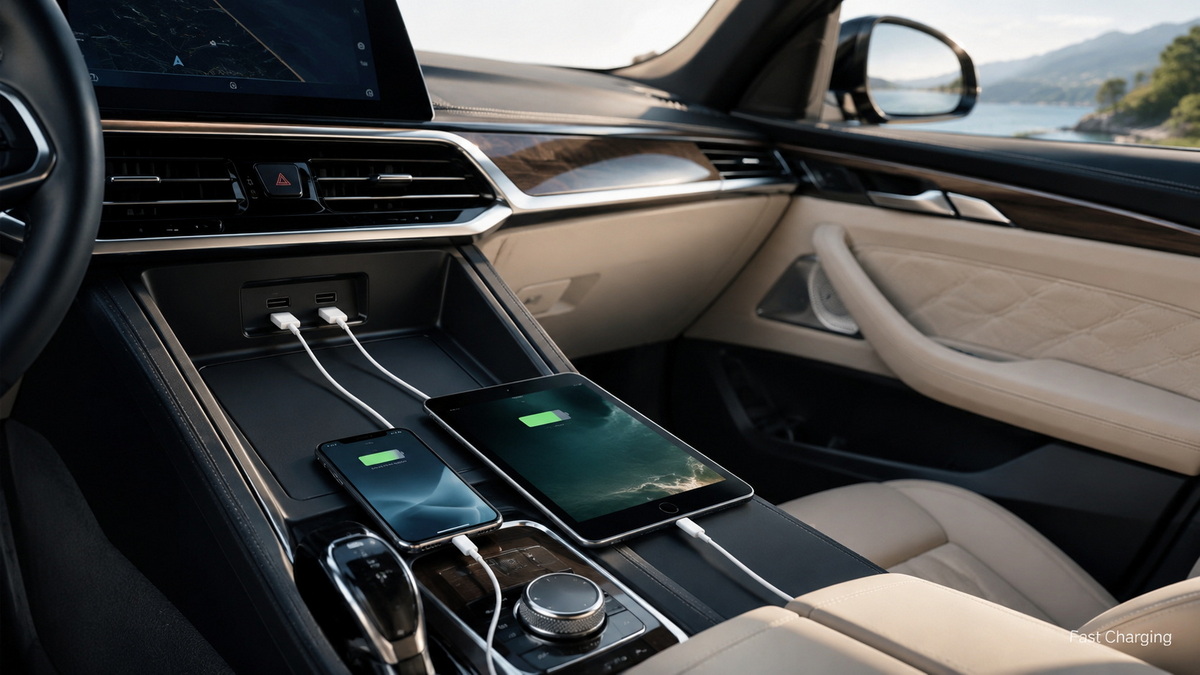
Modern drivers and passengers expect more from in-car connectivity than ever before. Phones, dash cams, tablets, GPS devices, and wireless accessories all depend on stable USB power. In many vehicles, USB outlets are now part of the default user experience, not an optional extra.
From a product-development perspective, this shift creates a clear design challenge: USB outlets must work consistently in a harsh automotive environment. Heat, vibration, voltage fluctuation, and long-term usage all affect performance. That is why high-quality cable assemblies, stable connectors, and proper OEM design matter so much.
The most obvious use of an automotive USB outlet is charging mobile devices. But in practice, the quality of the charging experience matters more than the fact that power is available.
A poorly designed outlet can lead to slow charging, dropped connections, overheating, or device incompatibility. A well-designed solution supports stable power output, secure fitting, and broad device compatibility.
- Fast charging for smartphones and tablets.
- Reliable power for navigation devices and accessories.
- Safe charging during long trips and daily commutes.
- Minimal heat generation and low failure risk.
For OEM buyers, this is one of the clearest areas where product quality directly affects customer satisfaction.
Automotive USB outlets are also central to navigation and infotainment. Drivers often connect smartphones for maps, music, and voice assistants. Passengers may use tablets, streaming devices, or game controllers during travel.
This use case is especially important because it combines power delivery and data reliability. If a USB connection is unstable, the user experience breaks quickly. In a vehicle, that means frustration, lower perceived quality, and more support complaints.
- Smartphones used for navigation.
- Dash cameras and driving recorders.
- Bluetooth accessories.
- Tablets and portable entertainment devices.
- Smartphone mounts with charging support.
In commercial vehicles, USB outlets serve a different but equally important purpose. Drivers use them to keep phones, scanners, dispatch devices, and route tools charged throughout the workday.
For fleet operators, the value is operational rather than just convenient. A dependable USB outlet helps reduce downtime, improve communication, and support daily productivity.

- Drivers stay connected to dispatch systems.
- Mobile tools remain powered during long shifts.
- Fewer charging complaints improve fleet efficiency.
- Durable connectors reduce replacement frequency.
This is where a manufacturing partner with OEM experience can add major value. Commercial applications often require stronger mechanical performance, longer service life, and customized cable and connector configurations.
Passengers notice charging access immediately. In family cars, ride-hailing vehicles, buses, RVs, and premium interiors, USB outlets influence how people judge the overall vehicle.
A clean, intuitive charging setup signals that the manufacturer understands modern user needs. That perception matters. In many markets, a vehicle with well-placed USB access feels more premium and more practical.
This is not only a consumer issue. It is also a brand perception issue. When charging works smoothly, the vehicle feels better engineered.
Not all USB outlets are equal. In automotive use, the design must handle electrical stress, physical movement, and real-world user behavior.
1. Durability: The outlet should tolerate repeated plugging and unplugging.
2. Secure fit: Loose ports create poor contact and higher failure risk.
3. Thermal performance: Heat control is essential for safety and longevity.
4. Compatibility: The outlet should support common consumer devices.
5. OEM flexibility: Custom lengths, interface types, and assembly options help integrators meet product goals.
For manufacturers and brand owners, these factors are often more important than the port itself. The real product is the system performance.
The automotive USB market is evolving from simple charging ports toward smarter, more integrated power systems. Vehicles now increasingly need ports that support higher power levels, better data handling, and more complex user expectations.
That means suppliers must think beyond the connector. They must design for automotive-grade reliability, cleaner installation, and long-term compatibility. For B2B buyers, this is where sourcing strategy becomes critical.
If you are selecting a USB cable or outlet supplier, the best partner is not just a parts vendor. It is a manufacturer that understands:
- Automotive use conditions.
- OEM customization needs.
- Product consistency across production runs.
- International buyer expectations.
Choosing the right supplier can save time, reduce warranty risk, and improve product quality. A good evaluation process should look beyond price.
- Ask for technical specifications and testing details.
- Review sample quality before mass production.
- Confirm customization capability for cable length and connector type.
- Check consistency across batches.
- Verify communication speed and engineering support.
- Look for experience in export and private-label projects.
For brands and wholesalers, this approach helps reduce the hidden costs of poor sourcing.
For a manufacturer like Shenzhen Otechkabel Electronic Co., Ltd, this topic is not just about content marketing. It is about positioning your brand as a trusted OEM partner for global buyers who need dependable USB, VGA, HDMI, DVI, and SATA cable solutions.
The strongest content in this category should do three things:
- Educate the buyer.
- Build confidence in manufacturing quality.
- Convert interest into inquiry.
That is why the article should not sound like a general consumer blog. It should sound like a practical guide written by a company that understands industrial production, product quality, and international sourcing.
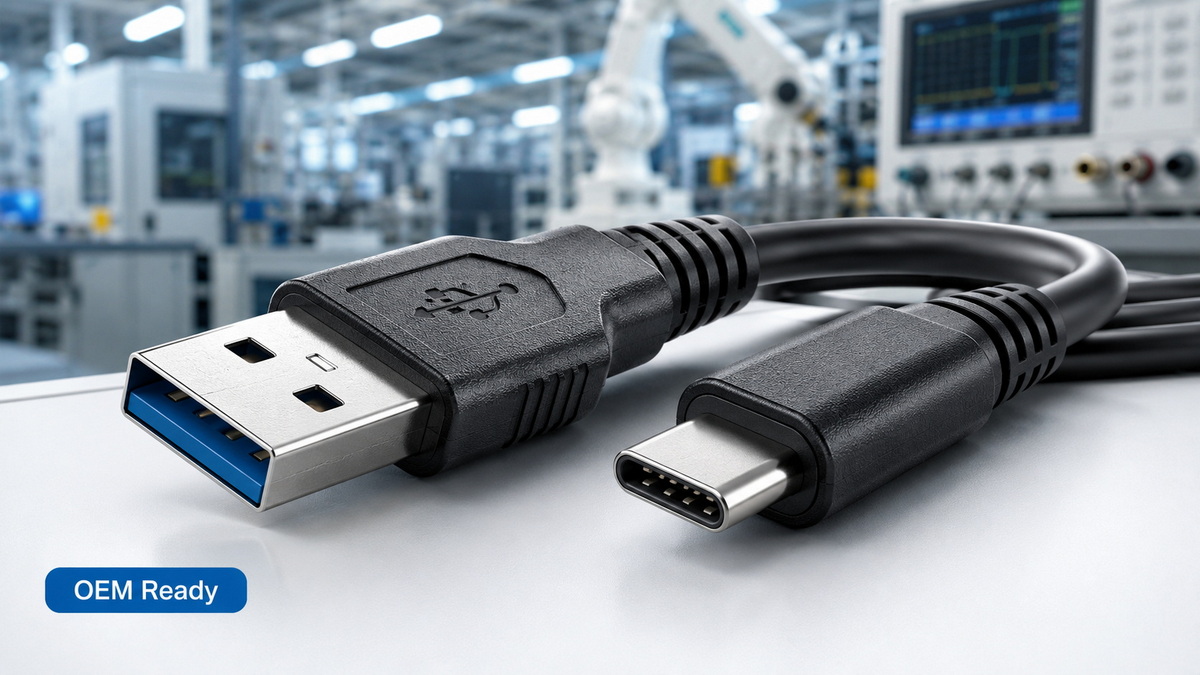
Automotive USB outlets play a far bigger role than simple charging. They support connectivity, convenience, productivity, and brand perception across consumer, commercial, and fleet vehicles.
For OEM buyers and distributors, the opportunity is clear: well-designed automotive USB solutions create better user experience and stronger market value. For manufacturers, the challenge is to deliver products that are reliable, customizable, and ready for real-world use.
Call to action: If you are sourcing OEM automotive USB cables or custom cable assemblies, work with a manufacturer that can support stable quality, flexible customization, and export-ready production.
An automotive USB outlet is used to charge phones, tablets, navigation devices, dash cams, and other accessories inside a vehicle.
They improve the user experience, support in-car connectivity, and influence how customers judge vehicle quality.
It should be durable, thermally stable, secure, compatible with common devices, and built for vibration and long-term use.
No. They are also widely used in commercial vehicles, fleet vehicles, RVs, buses, and ride-hailing applications.
They should evaluate product quality, customization options, production consistency, testing standards, and OEM support.
1. Coolgear. "4 Incredible Uses of USB Outlets in Automotive."
https://www.coolgear.com/news/4-incredible-uses-of-usb-outlets-in-automotive.html
2. Sales Layer. "SEO for Manufacturing Companies: The 2026 Strategy Guide."
https://blog.saleslayer.com/seo-for-manufacturing-companies
3. Robertsiegers. "SEO for Manufacturers: Strategies to Dominate Search in 2025."
https://robertsiegers.com/en/seo-for-manufacturers
4. Konstruct Digital. "SEO for Manufacturers: How to Effectively Target Niche Buyers."
https://www.konstructdigital.com/seo/seo-manufacturers/
5. Analog Devices. "Automotive USB 2.0 and a 5 V Type-C Solution for Charging and Robust Data."
6. Vista Electronics. "Automotive USB-C Connector Guide: Applications, Requirements & Design Considerations."
https://vistarelectronics.com/automotive-usb-c-connector-guide/


