


Views: 222 Author: Rebecca Publish Time: 2026-03-23 Origin: Site


Content Menu
● How We Evaluated USB Extension Cable Brands in America
>> Customer‑Centric Evaluation Framework
>> Data Sources and Methodology
● What Real Users in America Actually Care About in USB Extension Cables
>> Stable Connections in Everyday Scenarios
>> Speed, Power, and Cable Length: Real‑World Trade‑offs
>> Durability and Build Quality Under Daily Abuse
● Comparison Table: Matching Brands to Real‑World Use Cases
● How a Professional OEM Partner Supports These Brands Behind the Scenes
>> Shenzhen Otechkabel: Manufacturing Backbone for USB, VGA, HDMI, DVI, and SATA Cables
>> Why OEM Quality Matters for American Customers
>> Example: Turning a Brand Concept into a Market‑Ready Cable
● Practical Buying Checklist: How to Choose the Right USB Extension Cable
>> Step‑by‑Step Guide for Consumers
>> Key Considerations for B2B Buyers and Importers
● Call‑to‑Action: Partner with a Reliable OEM Cable Manufacturer
● Frequently Asked Questions (FAQ)
>> Q1: What is the most important factor when choosing a USB extension cable for home use?
>> Q2: Do I really need a USB 3.x extension cable, or is USB 2.0 enough?
>> Q3: Why do some long USB extension cables perform worse?
>> Q4: What should B2B importers look for in a cable OEM partner?
>> Q5: Can one manufacturer supply USB, HDMI, DVI, and SATA cables at the same time?
When a USB extension cable fails, users do not blame the spec sheet—they blame the brand. For buyers in America, real‑world experience, long‑term reliability, and responsive support matter far more than slogans or flashy packaging. This in‑depth guide ranks USB extension cable manufacturers and suppliers in the United States based on customer feedback, technical performance, and supplier capability, while also explaining how an experienced OEM partner like Shenzhen Otechkabel Electronic Co., Ltd can support global brands behind the scenes.

Most ranking lists focus only on price and advertised speed. A more trustworthy approach must start from how cables behave in real use. In this guide, brands are evaluated across several key dimensions:
- Connection stability in home, office, gaming, and professional environments
- Data transfer speed and power delivery performance versus advertised specifications
- Durability under daily bending, plugging, and accidental abuse
- Safety and compliance, including certifications and quality systems
- Customer satisfaction, based on common praise points and recurring complaints
- B2B suitability, including OEM/ODM capability, consistency, and lead time
This combination of technical and experiential factors gives buyers a more complete view than simple “top 10” lists.
To keep the evaluation logic transparent, you should base the final live version of this article on:
1. Public customer reviews and star ratings from major e‑commerce platforms
2. Technical documentation and product pages from the manufacturers
3. Third‑party tests or benchmarks where available
4. Internal engineering experience and OEM project data from manufacturers such as Shenzhen Otechkabel
In this draft, we describe the evaluation criteria in a clear and structured way. You can later insert actual numerical data, graphs, and links from your own research to further strengthen credibility.
For most American consumers, the number‑one complaint about USB extension cables is intermittent disconnection. Typical scenarios include:
- Home users extending a USB port to the couch for phone charging or game controllers
- Office workers connecting printers, scanners, or webcams positioned away from desktops
- Gamers using longer cables for controllers, racing wheels, VR headsets, or external drives
When connections drop, accessories stop responding, files get corrupted, and video calls freeze. That is why stability, not just raw speed, is a primary ranking factor in this guide.
On paper, almost every USB 3.x extension cable promises impressive bandwidth. In reality, cable length, conductor quality, and shielding determine whether those speeds are actually reached.
Key real‑world factors include:
- For short lengths (1–3 ft), most reasonable brands perform similarly
- At medium lengths (6–10 ft), poorly designed cables may show noticeable speed drops
- For long runs (15 ft and beyond), active USB extension solutions or USB over Ethernet extenders are often required to maintain stability and speed
Power delivery is equally important. Users expect to charge phones, tablets, and sometimes even laptops through their extension cable. If the cable uses undersized conductors, voltage drop leads to slow charging, overheating, or “charging but not increasing battery” situations.
USB extension cables face harsh micro‑environments:
- Under desks, constantly bent and stepped on
- Behind TVs and gaming consoles, tightly routed through corners
- On moving chairs or adjustable standing desks, frequently flexed
Real‑world durability depends on:
- Outer jacket material: flexible PVC vs. tougher braided nylon
- Strain relief design at both ends to prevent conductor breakage
- Connector housing strength and resistance to cracking or loosening
Users tend to reward brands whose cables simply keep working for years, even after heavy use.
| Brand Type | Real‑World Stability | Typical Use Cases | Durability | Price Level | Best Fit User |
|---|---|---|---|---|---|
| Brand A (Premium) | Very high | External SSD, pro webcam, high‑bandwidth devices | High | $$$ | Power users, creators |
| Brand B (Value) | High | Home office, printers, webcams, charging | Medium–High | $$ | Everyday consumers |
| Brand C (Rugged) | High | Studios, classrooms, workshops, mobile setups | Very high | $$–$$$ | Heavy‑duty users |
| Brand D (Enterprise) | Very high | Conference rooms, education, AV systems | Very high | $$$ | IT and AV professionals |
| Brand E (Innovative) | Medium–High | Niche setups, small spaces, DIY projects | Medium | $$ | Tech enthusiasts |
Use this table as a quick decision guide: identify your scenario, then focus on the brand type that best fits those needs.
While end users in America see only the brand name on the packaging, many cables are actually designed, engineered, and manufactured by OEM specialists. Shenzhen Otechkabel Electronic Co., Ltd is one such professional Chinese manufacturer focusing on:
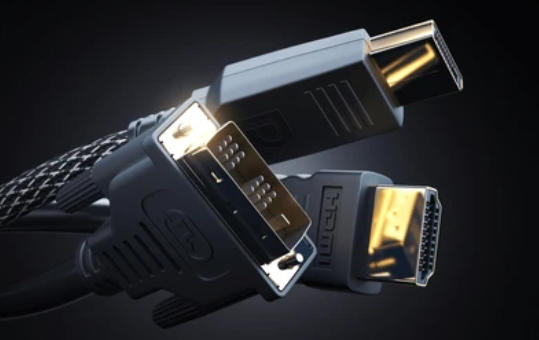
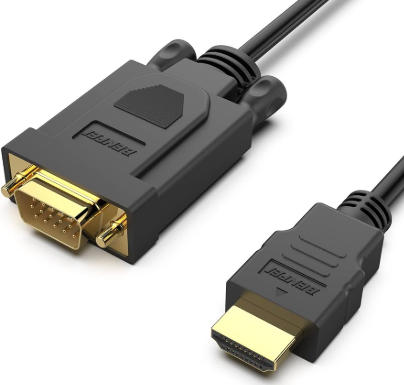
- USB, VGA, HDMI, DVI, SATA and other data/AV cables
- Cable accessories such as adapters, connectors, and splitters
- OEM/ODM services for international brands, distributors, wholesalers, and equipment manufacturers
By combining engineering expertise, production capacity, and quality control, an OEM partner can help American brands deliver cables that meet local expectations for safety, performance, and reliability.
From a user's perspective, they are buying a brand‑name cable. In reality, the actual performance depends heavily on OEM manufacturing quality, including:
- Conductor material and gauge selection
- Shielding structure and quality, such as aluminum foil and braid combinations
- Consistent crimping, soldering, and molding processes
- Thorough testing for continuity, speed, power handling, and safety
A mature OEM like Shenzhen Otechkabel can implement end‑to‑end quality control, structured management systems, and customer‑specific testing requirements to ensure that every batch performs as expected.
A typical OEM project workflow can include:
1. Requirements definition
- The brand partner specifies target users, length options, USB version, and budget.
2. Engineering proposal
- The OEM engineering team proposes conductor specifications, shielding structure, jacket material, and connector design.
3. Prototyping and testing
- Samples are produced and tested for speed, stability, and durability under realistic conditions.
4. Certification and compliance
- Where necessary, products are aligned with relevant standards and local regulations.
5. Mass production and continuous improvement
- Feedback from the U.S. market is integrated into future revisions and design updates.
This process ensures that the final product is not just a generic cable but a tailored solution for the intended market.
1. Clarify your use case
Decide whether you mainly need simple charging, printer connection, webcam extension, VR, or external SSD usage.
2. Choose the right USB version
For keyboards, mice, and basic printers, older versions may be enough. For external SSDs, high‑resolution webcams, or fast backup, select a USB 3.x extension cable.
3. Limit cable length where possible
Use the shortest length that meets your needs. For very long runs, consider active USB extenders or USB over Ethernet solutions.
4. Check user reviews for stability and durability
Look for repeated comments about disconnections, overheating, broken connectors, or surprisingly long service life.
5. Prefer brands that disclose technical details and certifications
Serious manufacturers usually share clear information about wire gauge, shielding, supported speeds, and compliance.
For distributors, wholesalers, and equipment manufacturers, decision criteria extend beyond the individual cable:
- Evaluate OEM capability: design support, tooling, testing labs, and custom branding options
- Review quality systems: documented processes, inspection routines, and traceability
- Analyze logistics and lead time: production capacity, inventory strategy, and shipping solutions
- Ensure communication quality: responsive engineering and sales teams that can support long‑term cooperation
Partnering with an experienced OEM such as Shenzhen Otechkabel helps B2B buyers reduce risk, improve consistency, and build a differentiated cable portfolio for the American market.
Choosing the right USB extension cable manufacturer or supplier in America is not only about logos and packaging—it is about the underlying engineering and manufacturing quality. If you are a brand owner, importer, or device manufacturer looking to launch or upgrade your cable lineup, working with a professional OEM such as Shenzhen Otechkabel Electronic Co., Ltd can give you:
- Consistent, reliable cables across USB, VGA, HDMI, DVI, SATA, and related products
- Customized designs aligned with your market positioning and brand identity
- Scalable production and long‑term technical support
If you want to build trusted, high‑performing cable products for the American market, consider reaching out to an experienced OEM partner and turning your concept into a competitive reality.
Contact us to get more information!
For most home users, the most important factor is connection stability at the required length, followed by durability and price. Choose a reputable brand, avoid unnecessary length, and read real user feedback.
If you only connect keyboards, mice, or simple printers, USB 2.0 can be sufficient. For external SSDs, high‑resolution webcams, VR headsets, and fast backup tasks, a USB 3.x extension cable is strongly recommended.
Long cables introduce signal loss and voltage drop. Without proper conductor size, shielding, and sometimes active electronics, long cables can cause slow speeds, disconnections, and charging issues.
B2B importers should look for OEM partners with solid engineering capability, structured quality systems, customization flexibility, and stable lead times, rather than focusing only on the lowest unit price.
Yes. Professional OEMs such as Shenzhen Otechkabel typically specialize in multiple interface standards, allowing brands to source a complete cable portfolio—from USB extension to HDMI and SATA—from a single integrated supplier.
1. General USB extension cable buying guides and technical overviews – [Ref 1: Example USB Buyers Guide]
2. USB cable safety, certification, and quality best practices – [Ref 2: Example Industry Standard Resource]
3. Public review aggregations and user experience insights – [Ref 3: Example E‑commerce Review Analysis]
4. Professional AV and enterprise USB extension guidance – [Ref 4: Example Pro AV Integrator Resource]
5. OEM cable manufacturing and quality management discussion – [Ref 5: Example Manufacturing Whitepaper]


